Naples is one of the oldest continuously inhabited urban areas in the world. It was first settled by Greeks in the second millennium BC. In the ninth century BC, a colony known as Parthenope was established on the Island of Megaride later refounded as Neápolis in the sixth century BC. The city was an important part of Magna Graecia, played a major role in the merging of Greek and Roman society and a significant cultural centre under the Romans. It served as the capital of the Duchy of Naples (661–1139), then of the Kingdom of Naples (1282–1816) and finally of the Two Sicilies until the unification of Italy in 1861.
Società Sportiva Calcio Napoli S.p.A.
Nickname(s) Gli Azzurri (The Blues), I Partenopei (The Parthenopeans)
Napoli’s San Paolo Stadium (capacity 60,240) was inaugurated in 1959 and is the third largest in Italy, after Milan’s Meazza Stadium and Rome’s Olimpico. Situated in the Fuorigrotta neighbourhood, it measures 110 by 68 meters. It was remodelled for the 1980 European Championship and again for the World Cup hosted by Italy in 1990, when a covering and a new 330-seat press stand were installed, the track and lighting systems were redone and the stadium was brought up to FIFA safety standards. With an 8-lane track, three sports gyms, a boxing gym, a fitness gym and a wrestling and martial arts gym.
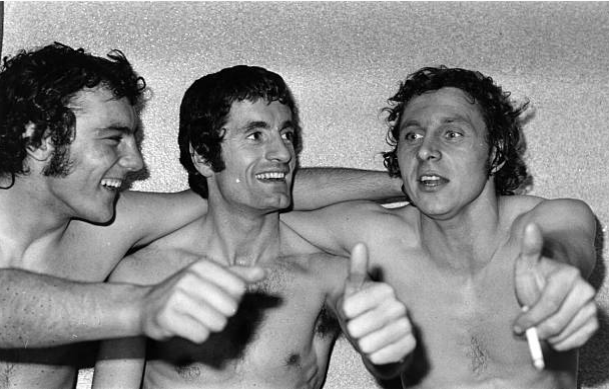
Naples Football Club was the first true Neapolitan football club to represent the city. It was founded between late 1904 and early 1905, after a series of meetings at the homes of an Englishman, William Poths, and a Neapolitan, Ernesto Bruschini.

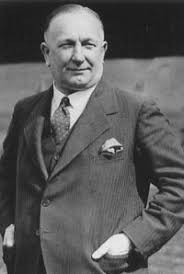
William Poths
Dark and pale blue stripes were chosen as the team colours. Their first President was engineer Amedeo Salsi, flanked by Poths, Bayon and two amateur football players, Conforti and Catterina. William Poths deserves special mention. An employee of the Cunard Shipping Line, he moved to Naples from England in 1903 and quite naturally brought all his English customs with him, including an immense passion for football, which had been played in England since 1847 and was rapidly gaining popularity in Europe and Italy too. There were already several teams in Naples: The aristocratic Open Air team, The Helios team, and the Audace team.
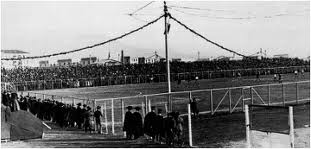
Early games were played at via Campegna. Napoli’s early history seems sketchier by comparison to Arsenal’s. The following is a translation from a SSC Napoli history site which beautifully captures the appeal of the early rise of football in the area by describing the via Campegna playing conditions.
a rather unstable and dusty expanse of land where a group of “stoic gamblers” chased a rolling sphere in shorts and rough and often ungainly attitudes that induced the paying public (at that time half a lira) including marquises, countesses, dukes and real dudes and ” gagà ” of Naples to smile at observing that absurd race to those who conquered the ball
Napoli broke the world transfer record fee after acquiring Diego Maradona in a €12 million deal from Barcelona on 30 June 1984. The 1986–87 season was the landmark in Napoli’s history; they won the double, securing the Serie A title by three points and then beating Atalanta 4–0 to lift the Coppa Italia.
Honours
National titles
Serie A
Winners (2): 1986–87, 1989–90
Coppa Italia
Winners (5): 1961–62, 1975–76, 1986–87, 2011–12, 2013–14
Supercoppa Italiana
Winners (2): 1990, 2014
European titles
UEFA Cup
Winners (1): 1988–89
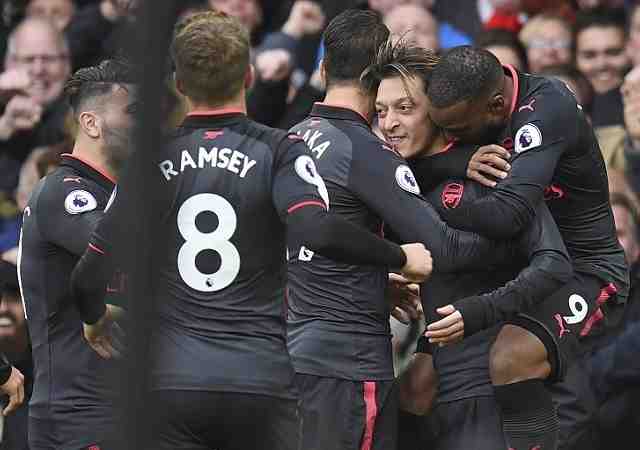
Our only home game against Napoli was in Group F of the 2013-14 Champions League – we won the game 2-0 with goals from Ozil (his first Arsenal goal) and Giroud.
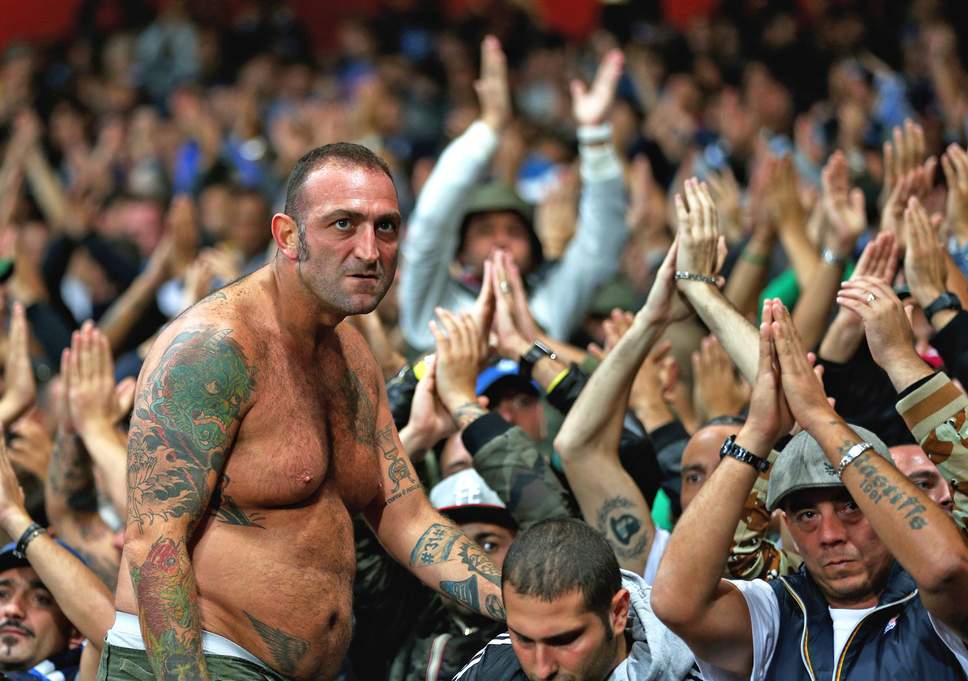
The Napoli fans have a reputation it’s fair to say and caused a deal of trouble in Islington in 2013.
Getty Images
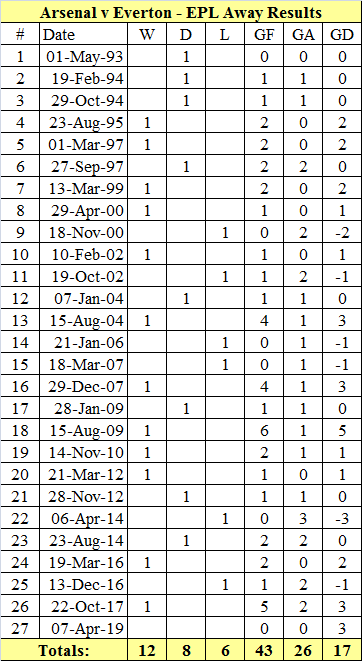
Given our away record this season we will need to take full advantage of playing in front of our home supporters and win the game with an all important clean sheet.
GunnerN5


 Posted by Jeremy Bongo












 Arsenal News 24/7


 arsenalarsenal.net